The Unity Cup 2026

.jpg)
More than a Fixture
The Unity Cup began in 2002 as a single football game between Nigeria and Jamaica, a fixture created to celebrate the cultures that have shaped modern Britain. Since then it has grown into one of the most distinctive events in the UK sporting calendar, and 2026 marked a homecoming: the tournament returned to south-east London for the first time since 2004, when it was last staged at the same ground. Now a four-nation competition, this year's edition brought together Nigeria, Jamaica, Zimbabwe and India across two semi-finals, a third-place play-off and a grand final, with Nigeria's Super Eagles entering as defending champions and eventually lifting the trophy for a fourth time, beating Jamaica in the final.
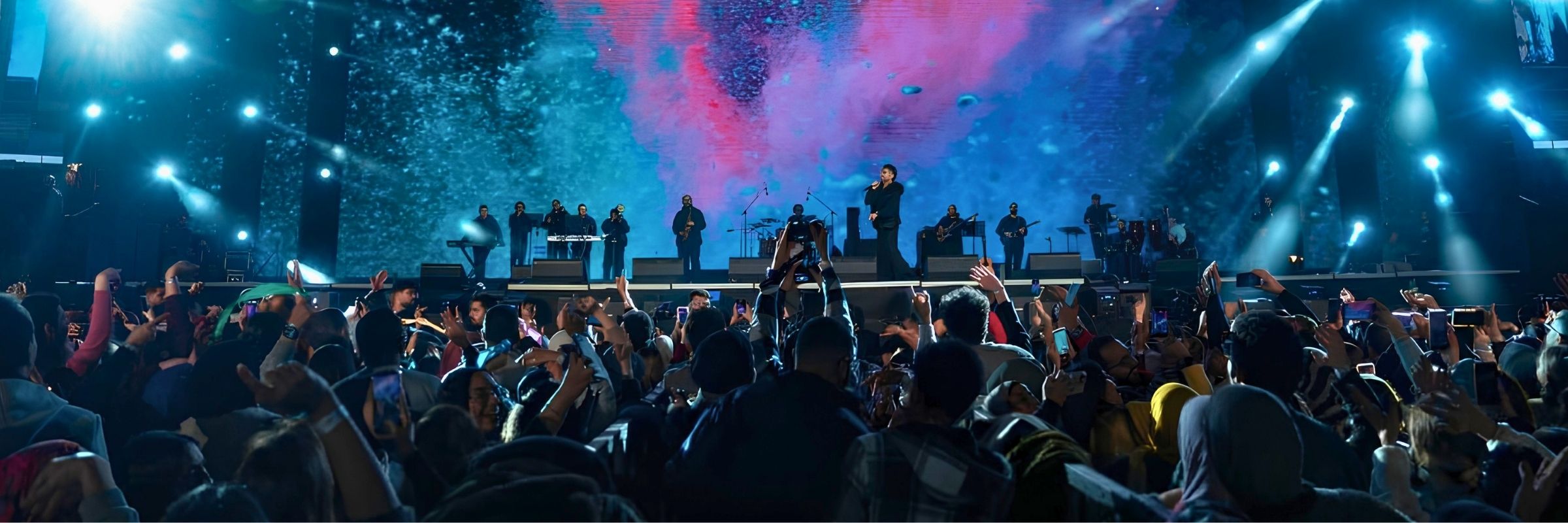
The 2026 UK edition unfolded over five days at Charlton Athletic's 27,000-seater stadium, The Valley, drawing thousands of fans across the tournament week. Finals Day was the centrepiece: a double-header pairing the third-place play-off with the grand final, wrapped in a wider celebration that went well beyond the pitch. There was a global food court spanning West African, Caribbean, Southern African and South Asian cuisine, cultural performances at half-time, and live entertainment from international artists and DJs turning the stadium into a festival as much as a football venue. It's this blend of elite international football matched with a genuine cultural occasion that has defined the Unity Cup's reputation, and why The Valley wanted it filling out for a true community celebration.
The KNOT Technologies Impact
KNOT delivered a fully white-labelled ticketing platform for the Unity Cup, one where every step of the fan journey, from purchase to entry, runs entirely under the tournament's own brand. There is no third-party name standing between the Unity Cup and its fans, only a seamless experience that feels wholly owned by the tournament itself.
That ownership extends far beyond appearances. Every ticket sold becomes a first-party fan record that the Unity Cup owns outright, giving the organiser a single, growing audience it controls as the tournament expands across countries. The financial architecture mirrors this: revenue flows directly to the organiser, with full, real-time visibility across every match and concert, giving the Unity Cup command of its own numbers rather than a dependency on someone else's dashboard.
The platform was also engineered for the specific demands of the event. A week of football and music going on sale simultaneously creates sharp, concentrated spikes in demand, and the system held firm under that high-volume traffic without faltering. On matchday, it moved crowds of thousands through the gates quickly and cleanly, with ticketing built to shut out the fraud and unregulated resale that a market like the UK is especially exposed to.

.png)